The Rhythm Divide
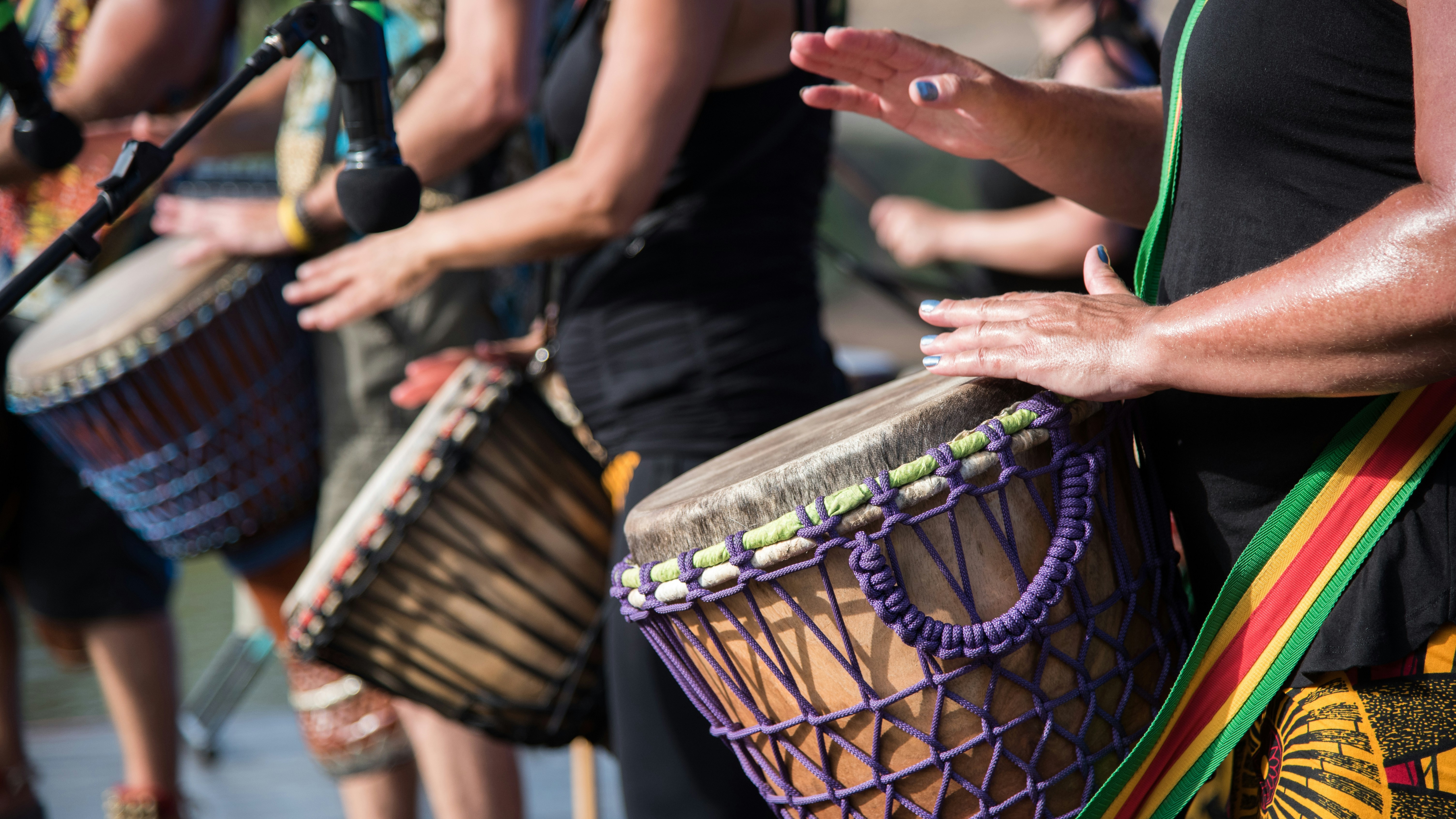
Photo by Lee Pigott on Unsplash
Music, rhythm, and dance reflect culture. Their significance lies not only in entertainment but also in their capacity to communicate history, beliefs, and emotions. African and Western music structures contrast in how they handle rhythm. But how so? Let’s explore polyrhythm and monorhythm, and their implications on cultural and musical expression. But first, here is a definition of rhythm by Webster:
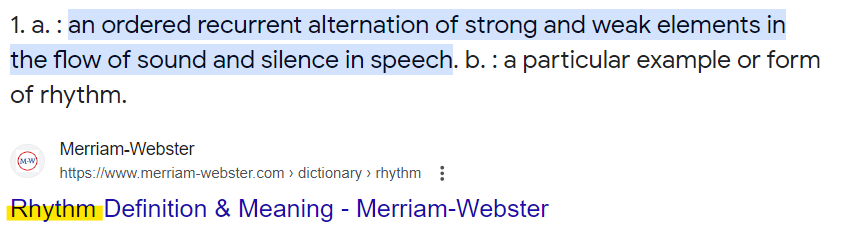
There is a problem with this definition. Can you spot it? Is rhythm only about sound, speech and music? Does this architecture have a rhythm?

Photo by Hiral Parikh on Unsplash
You’ve seen people walk with rhythm or waves crash with rhythm; even sunrise and sunset have rhythm. So rhythm is not only about sound, but about harmony and regularity.
African music is predominantly characterized by polyrhythm (have you seen this incredible YouTube video?). The rhythmic structure involves multiple, independent rhythms played simultaneously. This is not just a musical style; it is a reflection of the African approach to life, which values community, interdependence, and complexity. In many African cultures, music is an integral part of daily life, serving functions that range from religious rituals to education to warfare. The polyrhythmic nature of African music thus mirrors the multifaceted aspects of African society, where various elements of life coexist and interact in dynamic harmony.
Polyrhythm in African music is not merely a technical attribute but also a symbolic one. It represents the diverse yet unified nature of African communities where individual rhythms - akin to individual voices - come together in harmony. In many traditional African drumming ensembles, each drummer plays a distinct rhythm, yet all rhythms interlock to form a cohesive sound. The emphasis is on the collective sound and experience rather than on individual performance, reflecting the communal values of African societies.
| Type | Cultural Values | Description |
|---|---|---|
| Polyrhythm | Community, Interdependence, Complexity | Multiple rhythms playing at once symbolize how different aspects of life and community members work together harmoniously. |
| Monorhythm | Order, Predictability, Individuality | A single, repeating pattern, reflecting a cultural preference for order and predictability, individual roles and clear structures. |
In contrast, Western music, especially in its classical and popular forms, is predominantly monorhythmic. Monorhythm involves a single rhythmic pattern repeated throughout a piece of music, creating a uniform and predictable rhythmical structure. This is indicative of the Western cultural emphasis on order, predictability, and individuality. Western classical music, for instance, often focuses on the development of melodic and harmonic themes, with rhythm serving as a stable background rather than the focal point of the music.
The differences between African polyrhythms and Western monorhythms extend beyond mere musical technique; they reflect deeper cultural values and worldviews. African polyrhythm, with its emphasis on interdependence and community, fosters a sense of unity and collective participation in musical experiences. Conversely, the Western monorhythmic approach, with its focus on individual parts and predictable structures, mirrors the Western values of individualism and order.
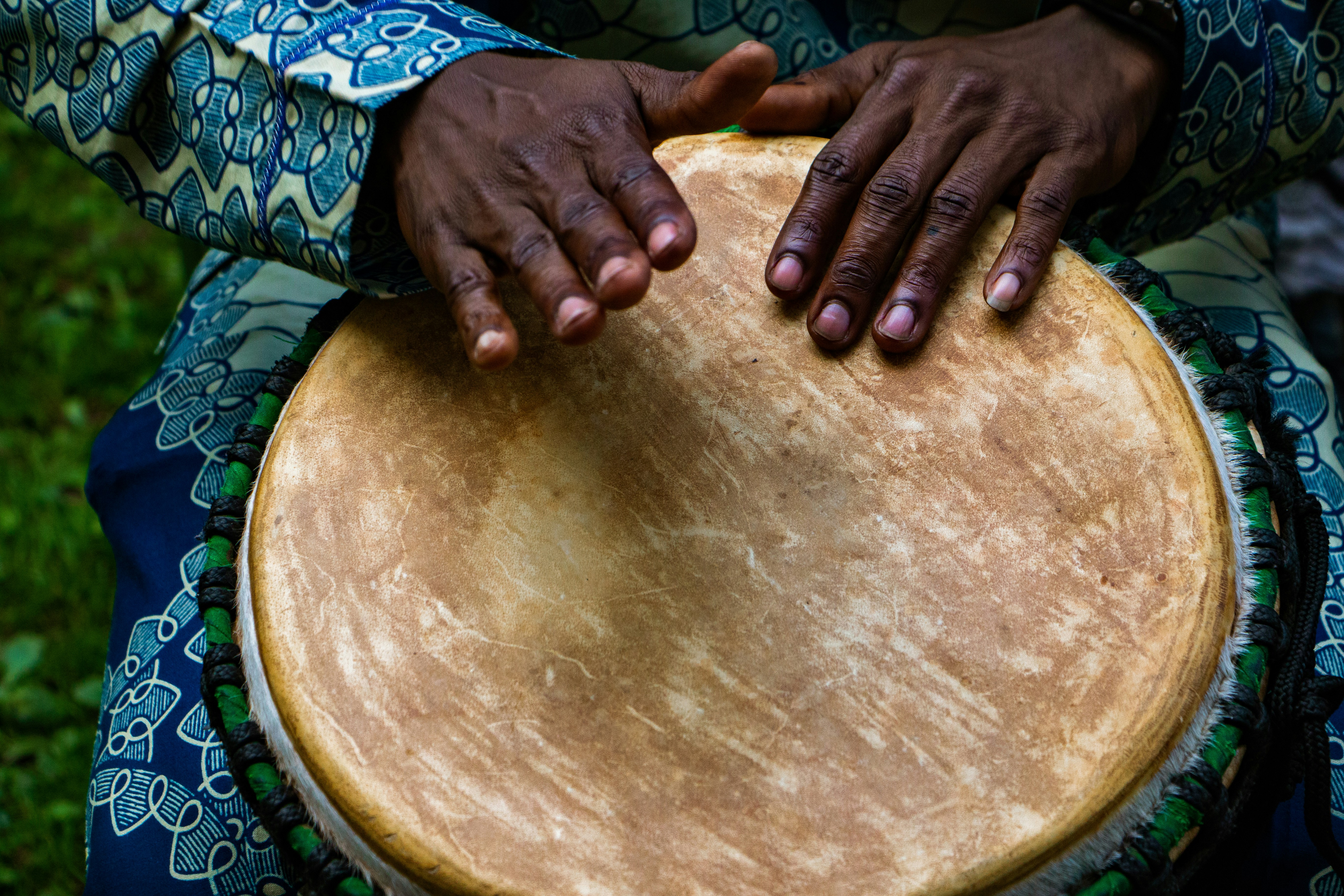
Kizomba is not just an art form. Kizomba is a language that communicates the values, beliefs, and philosophies of a culture. Understanding these rhythmic differences enhances our appreciation of music, dance and how human societies are varied in approaches to life.